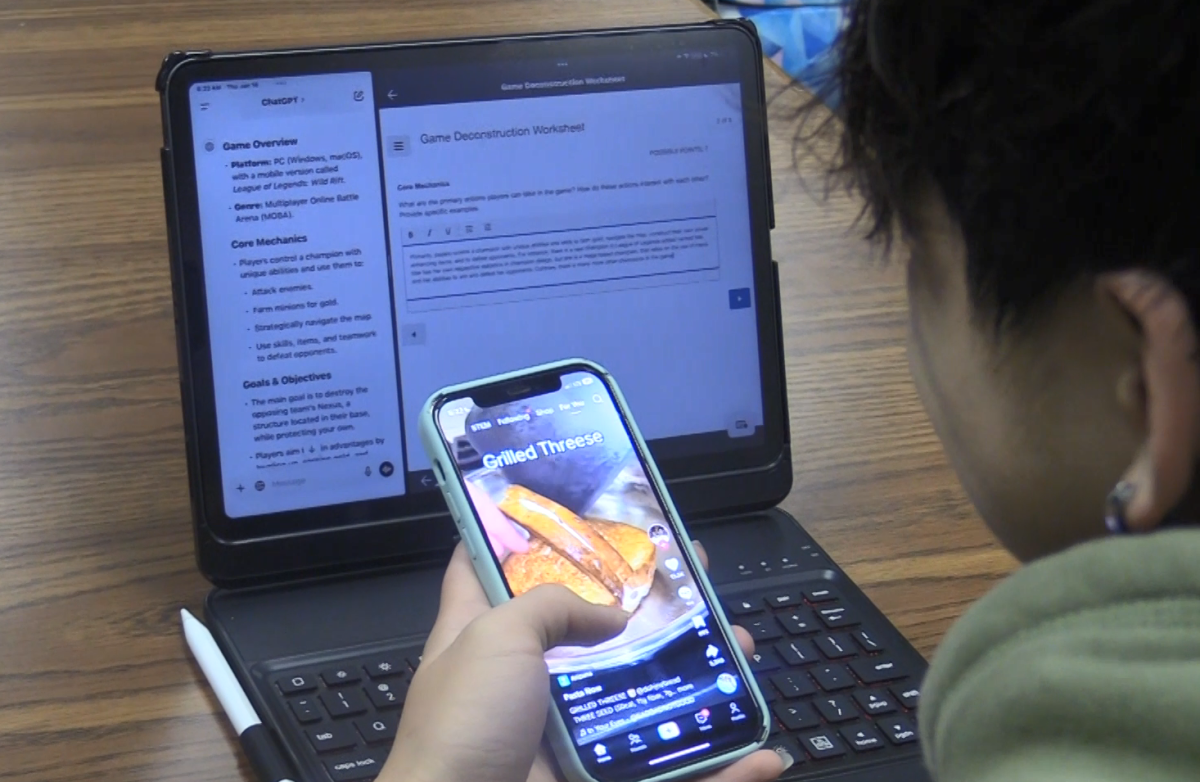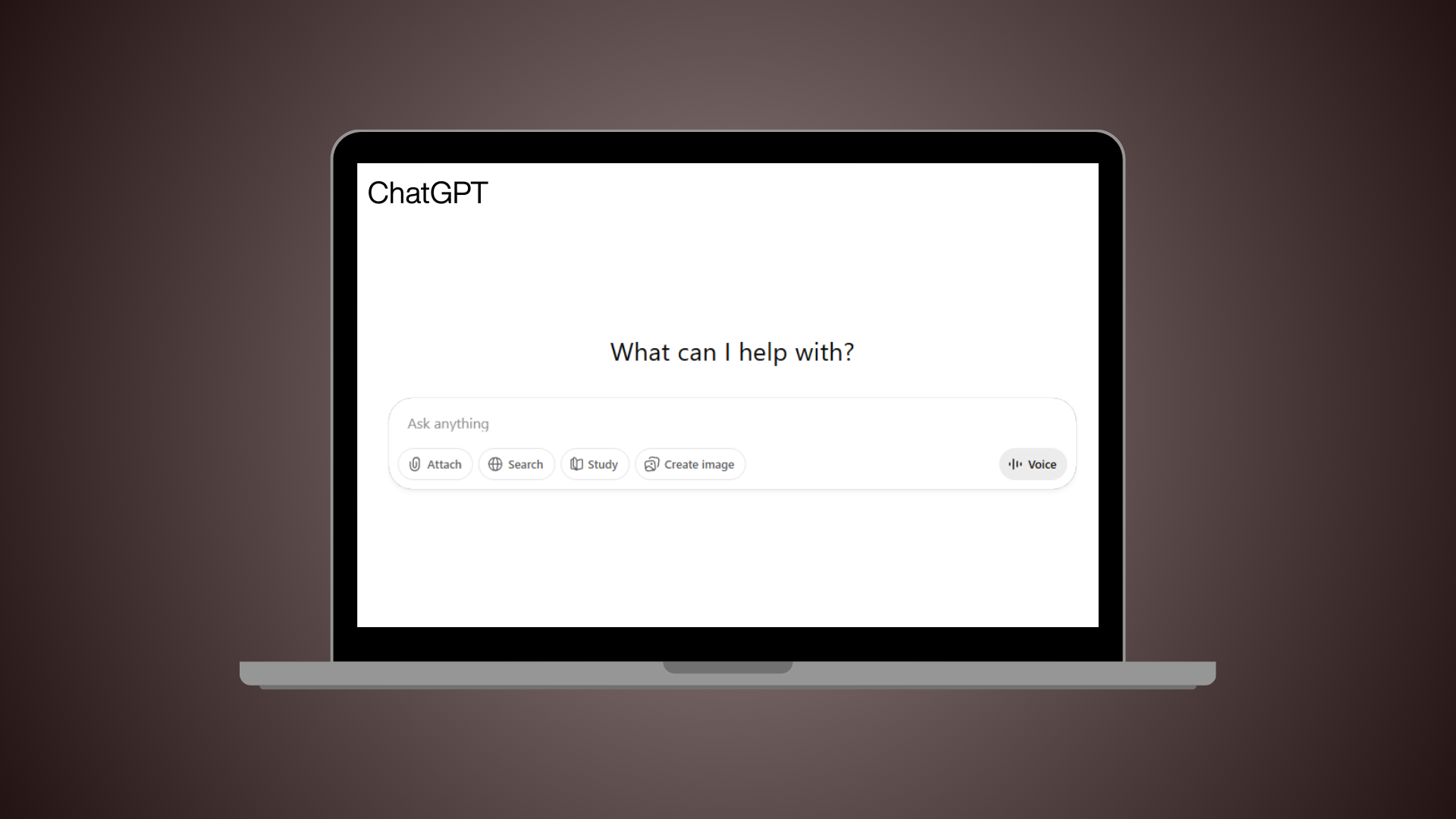
A silent partner is joining students in the classroom, offering instant answers, flawless grammar, and endless patience. It doesn’t raise its hand or sit at a desk; it lives in the cloud, accessible with a few keystrokes. This partner is Artificial Intelligence (AI), and its rapid integration into education is forcing a fundamental question: Is it a powerful tutor or a threat to the developing teenage brain?
As AI tools like ChatGPT and Gemini become everyday tools, a deep divide is emerging within the school. Students are split between those who see it as a revolutionary study aid and those who view it as a shortcut that undermines learning. Meanwhile, teachers and administrators are battling with how to tackle its potential for personalized learning while fighting its alarming effects on critical thinking, creativity, and academic integrity, sparking a debate about the future of education.
“I think AI can definitely present unfair advantages, especially to those who aren’t necessarily in a position to be able to access that technology at home,” junior Ava Drummond said. “Because I know in our school setting, a lot of people do tend to use AI, and it does stop us from actually actively using our minds.” This concern over AI “stopping” the brain is a common and urgent thread among educators who witness its daily impact. “I think it’s hurting their mind,” AP & On-level English III teacher Ayn Nys said. “I think until college, most likely, or right before college, unless it’s a very structured thing that teachers are saying, use AI like this, students should not have access to it.”
For teachers like Nys, the evidence of this cognitive toll is visible in the work she grades and the changing capabilities of her students. “There’s a lot of work that I get that does not look legitimately like the student’s voice, and that’s highly concerning in a class that’s focused on writing and developing one’s own voice,” Nys said. “I have a friend who teaches middle school… The things they could do last year, they’re a year older, it’s almost like they can’t do them anymore.”
The central fear is that over-reliance on AI weakens the brain’s critical thinking and problem-solving muscles, skills essential for life beyond the classroom. “If you’re in a dangerous situation where someone’s attacking you, what’s AI going to do for you? You’ve got to be able to think for yourself,” said Nys. This concern that AI stifles the essential, in-the-moment problem-solving skills needed for life extends from the classroom to the world at large. “We can’t go to AI and say like, ‘hey, how can I solve this situation?’… I feel like AI just stops that. It stops us from actually being able to think in a real-world situation,” Drummond said.
This sentiment is shared across subjects. World Geography and AP Human Geography Social Studies teacher Daniel Treat sees AI as fundamentally altering students’ motivation and intellectual development. “AI can make you look very smart and make you seem very smart while putting in absolutely zero effort on your own part,” Treat said. “You’re losing that ability to distinguish yourself in any kind of discernible way… inherently you make people dumber by making them smarter.”
Despite these sharp warnings, many students are enthusiastic about AI’s potential as a powerful academic tool, arguing that the problem isn’t the technology, but how it is used. “AI has helped me plenty with studying for assignments,” said sophomore Nicole Vargas. For these students, AI’s utility is about refining work and creating personalized study materials, using it as a supplement, not a replacement. However, even proponents like Freshman Santiago Martinez stress strict guardrails. “It can be helpful, but… if used in the wrong way, you’re obviously not going to learn anything new,” he said. “If you abuse AI… the studying is going to go to waste. So if you’re really making an effort, you know, just got to do it yourself.”
For other students, AI’s utility is not just about general help, but about refining their work and creating personalized study materials. “It helps me with understanding assignments when I need a bit of help.” Senior Branson Luong-luu added, “For English, I would use AI to help me like grammar check… AI was a way that I could get someone to proofread my assignment… For physics, I used AI to create more examples for me, create problems I could solve so I could better myself.” The key, these students argue, is not to avoid AI, but to learn to use it as a supplement to their own ideas, not a replacement. “You have to ask the right questions,” Drummond said. “You can’t necessarily ask AI for the answer straight away… Ask it for the process.” This strategy of using AI as an enhancer rather than a creator is key to maintaining intellectual ownership of the work. “I would use it to amplify an original thought which I already had… AI could be used to enhance it, but not necessarily change or give you the original idea,” Luong-Luu said.
However, other students are more skeptical of the technology’s reliability and its overall impact on the student body. “I would not trust an AI tutor because AI can make mistakes,” said Vargas. This lack of trust is compounded by firsthand experience and observations of how the technology is often used by peers. “I’ve only used it to do stuff that I’ve already done,” said Santiago Martinez. “If I’ve already learned it so many times, I’m going to use something that’ll help me just a little bit… not a whole lot.” He views over-reliance as a fundamental barrier to learning, offering a pointed analogy: “It’s like a cane. If you have to do something over and over again, it’s not going to help. The first thing [a blind person] does when they get their vision back is throw it away.”
For teachers, the widespread use of AI has fundamentally altered their approach to assigning and assessing student work, creating a climate of suspicion and a return to traditional methods. “I’m strongly considering making people do them [assignments], like assigning a day and giving them a piece of paper and a pen and saying, you have to do this now,” said Treat. This shift away from easily-AI-able tasks is a common adaptation, pushing assessments toward creativity and practical application that a machine cannot easily replicate. “You have to create assignments that… are lots more project, hands-on creative… instead of like answering questions,” Business teacher Safaraz Ali said. Beyond reshaping assessments, Ali points to AI’s function in personalizing instruction. “AI can customize a lesson plan for every single individual student… So instead of one cookie cutter plan for everyone, you can upload a roster, you can input those kids’ learning abilities… And it can take one assignment and can customize it for every single one,” Ali said. The issue of academic integrity is most important, with teachers like Ali acknowledging the near-impossibility of policing every assignment. “I cannot [ensure students use AI ethically], but we can only do what we can,” Ali said. “We can teach them good habits… but ultimately it’s up to them and what they want out of it. It’s not possible to sit there and check every single person, every single assignment, every single day.” Ali sees the change as not just disruptive but existential for the teaching profession itself. “It already changed everything, the way we teach,” Ali said. “I think it’s going to take over the teaching industry within like the next decade… I think teachers are going to be more support for AI.”
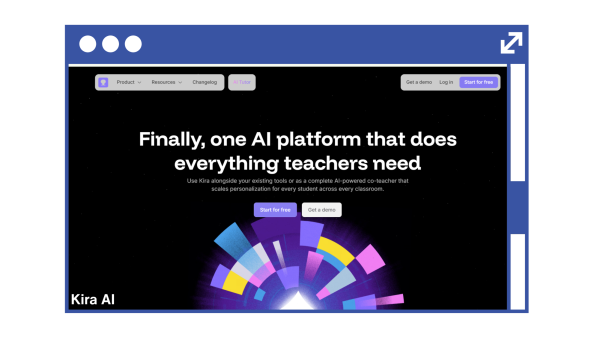
In response, the administration is exploring district-approved AI tools like “Kira,” designed to support, rather than destroy, learning from the teacher’s side. “I think it’s going to enable the teachers to personalize their learning for students,” Instructional Technologist Clarissa Caro said. “The data that it brings back to us is going to help us target students who are actually struggling with particular things versus whole subject areas.” Yet, a stark warning about the broader societal impact comes from educators who see AI as a force that could erode not just academic skills, but the very foundation of shared reality and independent thought. “I think that it will reinforce your thinking in a lot of ways. And instead of opening or broadening your opinions,” said Caro, explaining how AI can create personalized echo chambers.
Beyond reinforcing individual biases, some educators fear a broader collapse of a common, verifiable truth, with implications that extend far beyond the school walls. “You give it another five years, and it’s going to be almost indecipherable from what reality is. So how are you ever going to prove that you did or didn’t say something or hear something?” said Treat. Amidst the debate, the fundamental question remains: does AI, on balance, help or hinder the learning brain? The student body itself is divided on the ultimate impact. “I think that AI has both a positive and negative impact on students,” said Vargas. This sentiment of a divided impact is common, though students land in different places on the spectrum between cautious optimism and outright concern. “I do think AI has a negative impact on how students learn… when we become very reliant on it, it kind of just stops us from like thinking and like being able to actually solve problems on our own,” Drummond said.
As the school navigates this new technological frontier, the prevailing advice from leadership is to proceed with caution and to remember the irreplaceable value of human judgment and connection. Principal Sara Tones’ sentiment echoes the core tension in every classroom, a modern-day paradox: the most powerful learning tool ever created could, if not carefully mastered, end up mastering us, leaving the human mind itself as the final frontier to be both protected and empowered. “Do not ever underestimate the value of human impact on what you do with others,” said Tones. “Do not assume it can be outsourced.”
Guess which sentence is AI-written and human-written down below!
There was an error. Please try again.
2 Total Questions